Get an editor-style summary in seconds, generated by Claude.
On 25 August 2016, the National Payments Corporation of India (NPCI), operating under the Reserve Bank of India's regulatory oversight, switched on an experiment called the Unified Payments Interface. Nobody called it a revolution at the time. The numbers from that first financial year were modest enough to invite scepticism: 1.78 crore transactions worth a combined ₹7,000 crore. A decade later, those figures look almost quaint.
By FY26, UPI had processed over 24,162 crore transactions valued at approximately ₹314 lakh crore—a roughly 13,000-fold surge in volume and an almost incomprehensible expansion in value. The compound annual growth rate in transaction volume stood at 188% over the decade; value grew at 155% per year on a compounded basis. That kind of sustained momentum, maintained across two governments, a pandemic, and multiple economic cycles, is rare in the history of any financial infrastructure anywhere in the world.
Key Outcomes at a Glance
- UPI transaction volume grew **13,000-fold** in ten years, from 1.78 crore to 24,162 crore transactions annually. - **703 banks** were connected to the platform by FY26, up from just 44 at launch. - **86% of person-to-merchant payments** were below ₹500, confirming deep penetration at the grassroots level. - Monthly volumes set a new record of **2,366 crore transactions** in July 2026. - UPI now accounts for **nearly 49% of global real-time transaction volume** and operates across eleven countries.
The Architecture of Inclusion
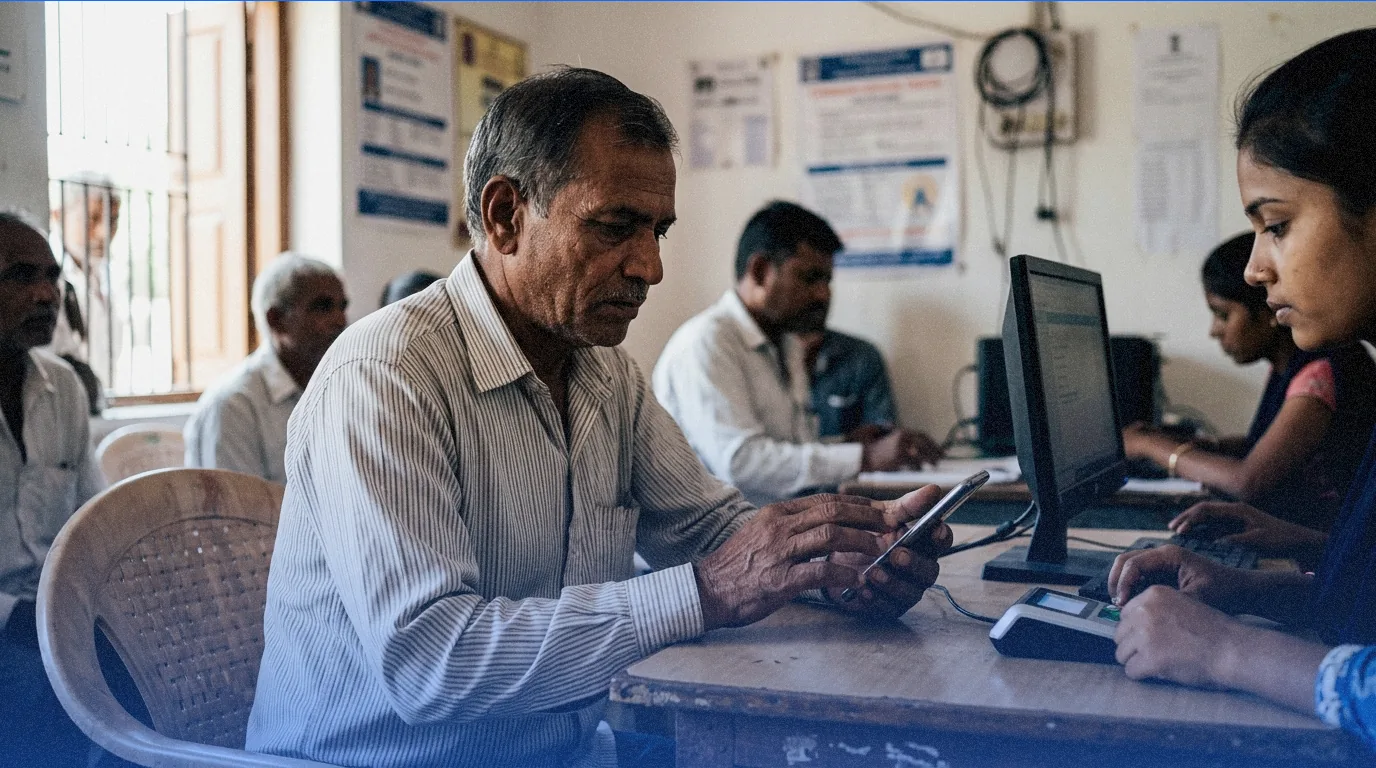
The scale of UPI's growth cannot be separated from the breadth of its institutional reach. When UPI went live, only 44 banks were connected to the platform. By FY26, that number had risen to 703 banks—spanning public sector lenders, private banks, small finance banks, and cooperative banks. This onboarding is significant precisely because cooperative and small finance banks serve customers at the economic margins, those who were historically excluded from the formal payments grid. UPI's growth story is, at its core, a financial inclusion story.
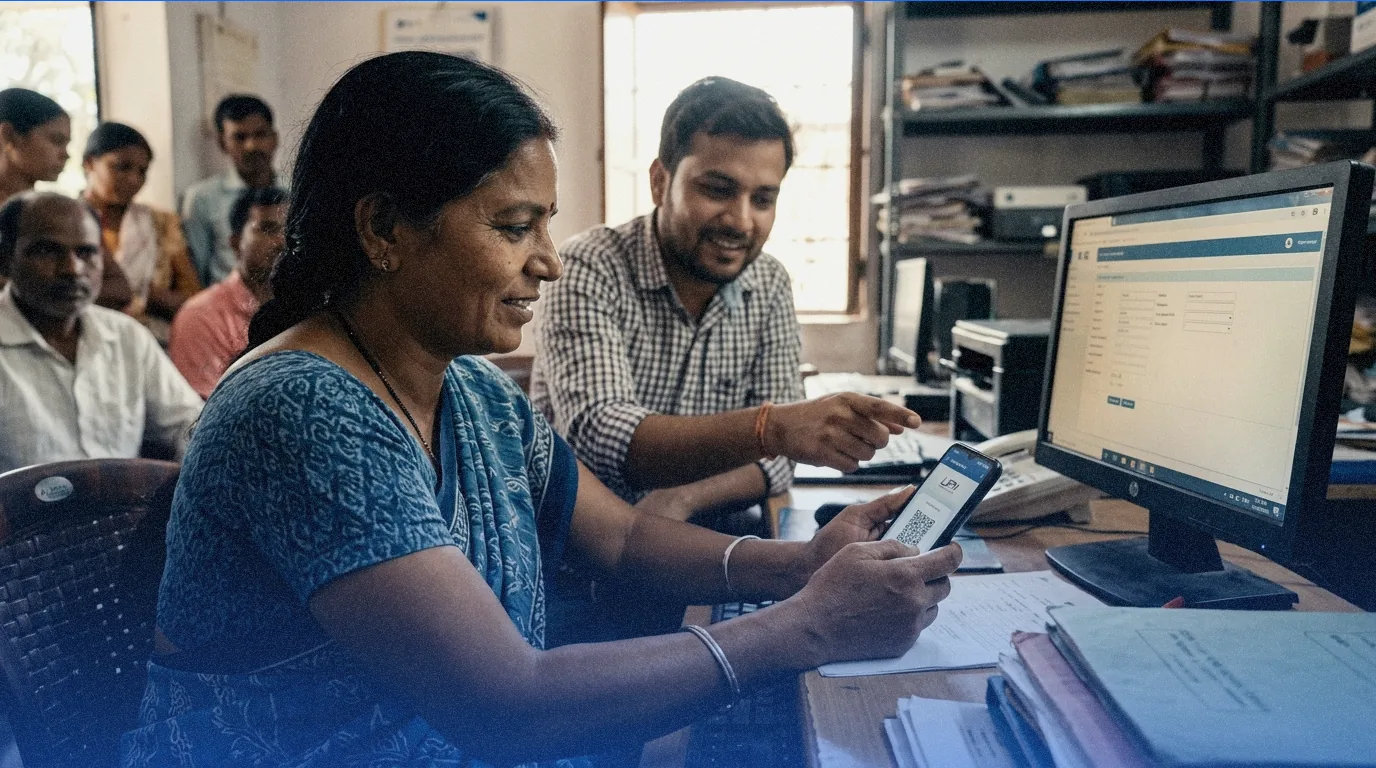
The transaction data reinforces this reading. For person-to-merchant transactions, 86% of payments were below ₹500. Even in person-to-person transfers, 59% of transactions fell below that threshold. These are not the numbers of a payments system used primarily by the affluent urban consumer. They are the numbers of a system that has embedded itself in the vegetable market, the neighbourhood tea stall, and the weekend sabzi vendor. UPI has not merely digitised large payments; it has digitised the texture of ordinary Indian economic life.
Milestones That Define a Decade
The year 2026 delivered several markers that underscored UPI's continuing momentum. Monthly transaction volumes crossed 2,300 crore for the first time in May 2026, reaching 2,320 crore. July 2026 pushed that record further to 2,366 crore transactions in a single month. Annualise that July figure and you get a system processing transactions at a rate that would have seemed fantastical to its architects in 2016.
The structural split between payment types also reveals something important about UPI's maturing use cases. Person-to-merchant transactions account for 63% of total volume, but person-to-person transfers dominate value at 71%. Indians are using UPI constantly for small purchases, but they are also trusting it for larger, more consequential transfers—rent, family remittances, business settlements—that once required a bank branch visit or a cheque.
A Global Benchmark Born in India
UPI's influence is no longer contained within Indian borders. As of 2025, it accounts for nearly 49% of global real-time transaction volume, a milestone that drew recognition from the International Monetary Fund. The system is now operational across eleven countries, including the UAE, France, Singapore, Bhutan, Nepal, Sri Lanka, Mauritius, Qatar, Cambodia, Greece, and the Maldives.
The presence of France and Greece on that list is particularly telling. These are not developing economies looking for leapfrog solutions; they are mature European markets that have found value in UPI's architecture for cross-border payments. India has exported not just a product but a philosophy—that real-time, interoperable, low-cost payments infrastructure should be a public good, governed by a public institution and open to all.
The next decade will test whether UPI can deepen penetration in rural India, handle the governance challenges that come with 66 crore daily transactions, and manage its international expansion without compromising security. But after ten years and a 13,000-fold surge, the burden of proof now lies firmly with the sceptics.